

CD40 is a member of the tumor necrosis factor receptor (TNFR) superfamily and is primarily expressed on antigen-presenting cells, including dendritic cells, B cells, macrophages, and monocytes. Interaction between CD40 and its ligand CD40L (CD154) plays a central role in adaptive immunity by promoting antigen presentation, cytokine production, and T-cell priming. Due to its immunostimulatory function, CD40 is a key target for cancer immunotherapy, vaccine adjuvant strategies, and immune modulation research.
In CD40 humanized mice (B-hCD40), the endogenous murine Cd40 gene is replaced with the human CD40 coding sequence to enable species-specific expression of human CD40 under native regulatory control. This humanization design supports translationally relevant evaluation of anti-human CD40 biologics by allowing therapeutic engagement with human CD40 in an in vivo immunocompetent setting while eliminating interference from murine CD40.
Validation data confirm the successful establishment of CD40 humanized mice (B-hCD40), supporting their use as a preclinical model for pharmacodynamic, efficacy, and safety assessment of CD40-targeting therapeutics.
Key Advantages
Validation
Application
CD40 humanized mice (B-hCD40) are used for in vivo evaluation of CD40-targeted antibodies, immune agonists, and combination immunotherapies by enabling human CD40-specific immune activation, antitumor efficacy assessment, and translational safety profiling.

CD40

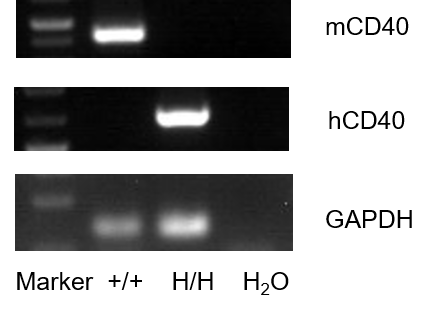
Strain-specific analysis of mouse and human CD40 mRNA expression in wild-type C57BL/6 mice and CD40 humanized mice by RT-PCR. Spleen tissues were collected from wild-type C57BL/6 mice (+/+) and homozygous CD40 humanized mice (H/H). Mouse Cd40 mRNA was detected in splenocytes from wild-type C57BL/6 mice, whereas human CD40 mRNA was detected exclusively in homozygous CD40 humanized mice and was not detected in wild-type C57BL/6 mice.
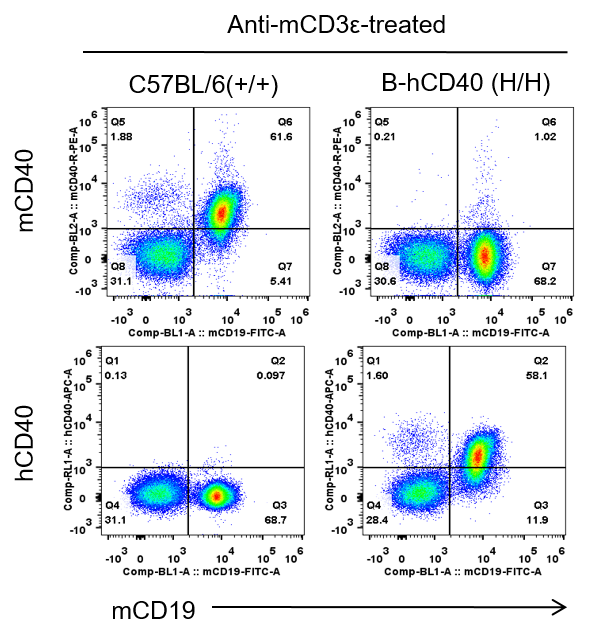
Strain-specific analysis of mouse and human CD40 protein expression in wild-type C57BL/6 mice and CD40 humanized mice by flow cytometry. Wild-type C57BL/6 mice and homozygous CD40 humanized mice (H/H) were stimulated in vivo with anti-CD3ε antibody (7.5 μg/mouse). Splenocytes were subsequently collected, and CD40 protein expression was analyzed by flow cytometry using species-specific anti-CD40 antibodies. Mouse CD40 was detected exclusively in wild-type C57BL/6 mice, whereas human CD40 was detected exclusively in homozygous CD40 humanized mice and was not detected in wild-type C57BL/6 mice.
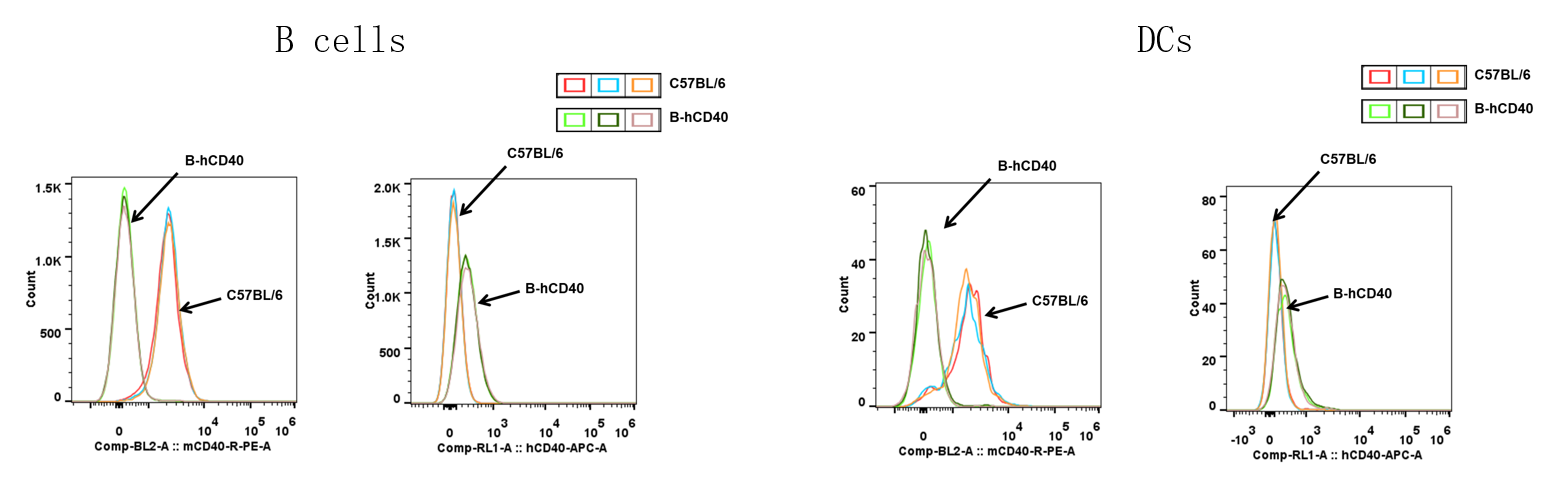
Strain-specific analysis of mouse and human CD40 protein expression in wild-type C57BL/6 mice and CD40 humanized mice by flow cytometry. Splenocytes were collected from wild-type C57BL/6 mice and homozygous CD40 humanized mice (H/H). Mouse and human CD40 protein expression was analyzed by flow cytometry using species-specific anti-CD40 antibodies. Mouse CD40 was detected exclusively in wild-type C57BL/6 mice, whereas human CD40 was detected exclusively in homozygous CD40 humanized mice and was not detected in wild-type mice.
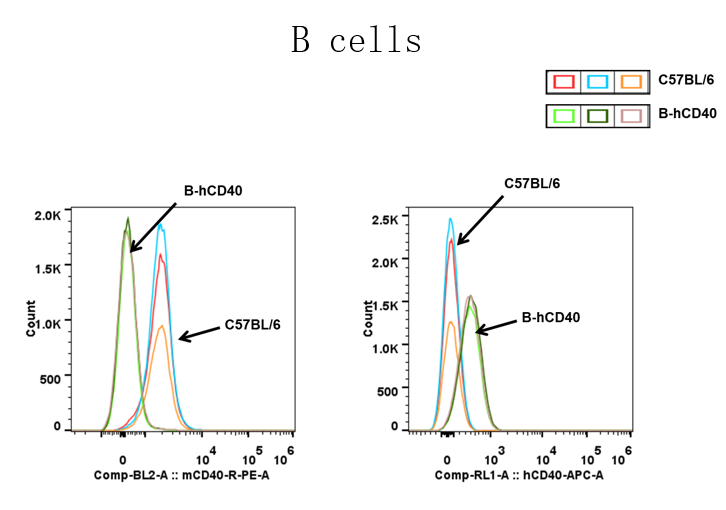
Strain-specific analysis of mouse and human CD40 protein expression in peripheral blood cells from wild-type C57BL/6 mice and CD40 humanized mice by flow cytometry. Peripheral blood cells were collected from wild-type C57BL/6 mice and homozygous CD40 humanized mice (H/H). Mouse and human CD40 protein expression was analyzed by flow cytometry using species-specific anti-CD40 antibodies. Mouse CD40 was detected exclusively in wild-type C57BL/6 mice, whereas human CD40 was detected exclusively in homozygous CD40 humanized mice and was not detected in wild-type mice.
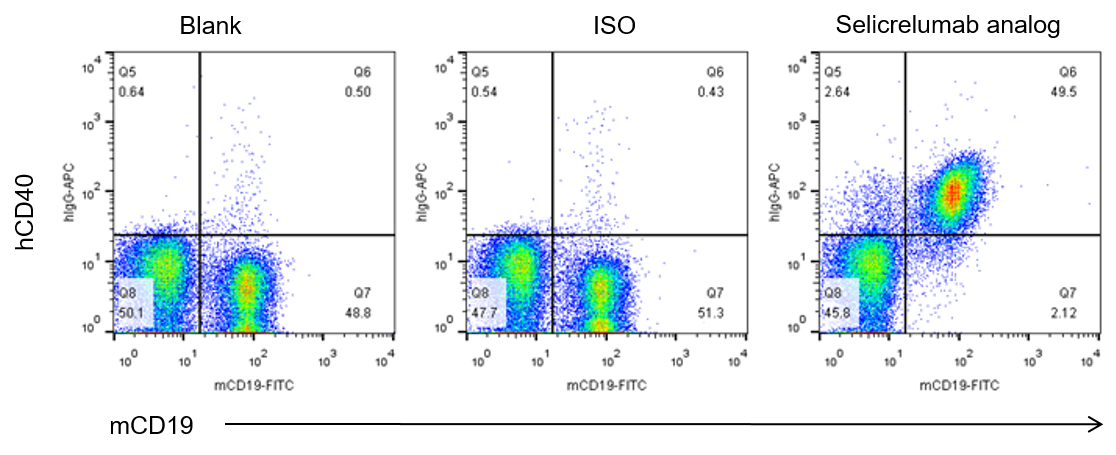
Flow cytometry analysis of human CD40 expression and anti-human CD40 antibody binding on splenic B cells from CD40 humanized mice. Splenocytes were isolated from female CD40 humanized mice (n = 3) and analyzed for human CD40 expression on B cells by flow cytometry. Single live cells were gated on the CD45⁺ population for further analysis as indicated. Human CD40 expression was detected on CD19⁺ B cells from CD40 humanized mice, as demonstrated by the binding of an in-house selicrelumab analog compared with the isotype control.
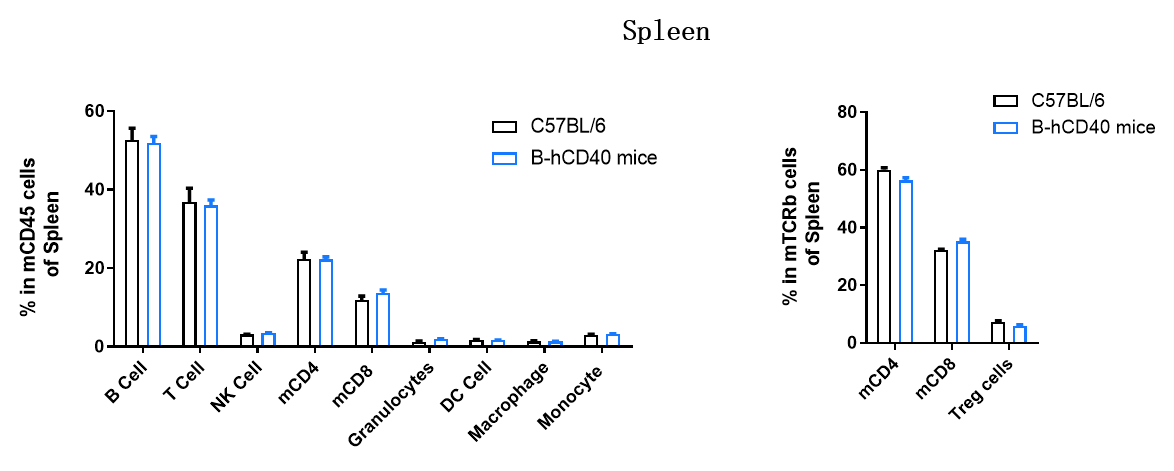
Analysis of leukocyte subpopulations by flow cytometry in spleen. Splenocytes were isolated from C57BL/6 and CD40 humanized mice (female, 9-week-old, n = 3). Single live cells were gated on the CD45⁺ population and analyzed by flow cytometry as indicated. Values are expressed as mean ± SEM.
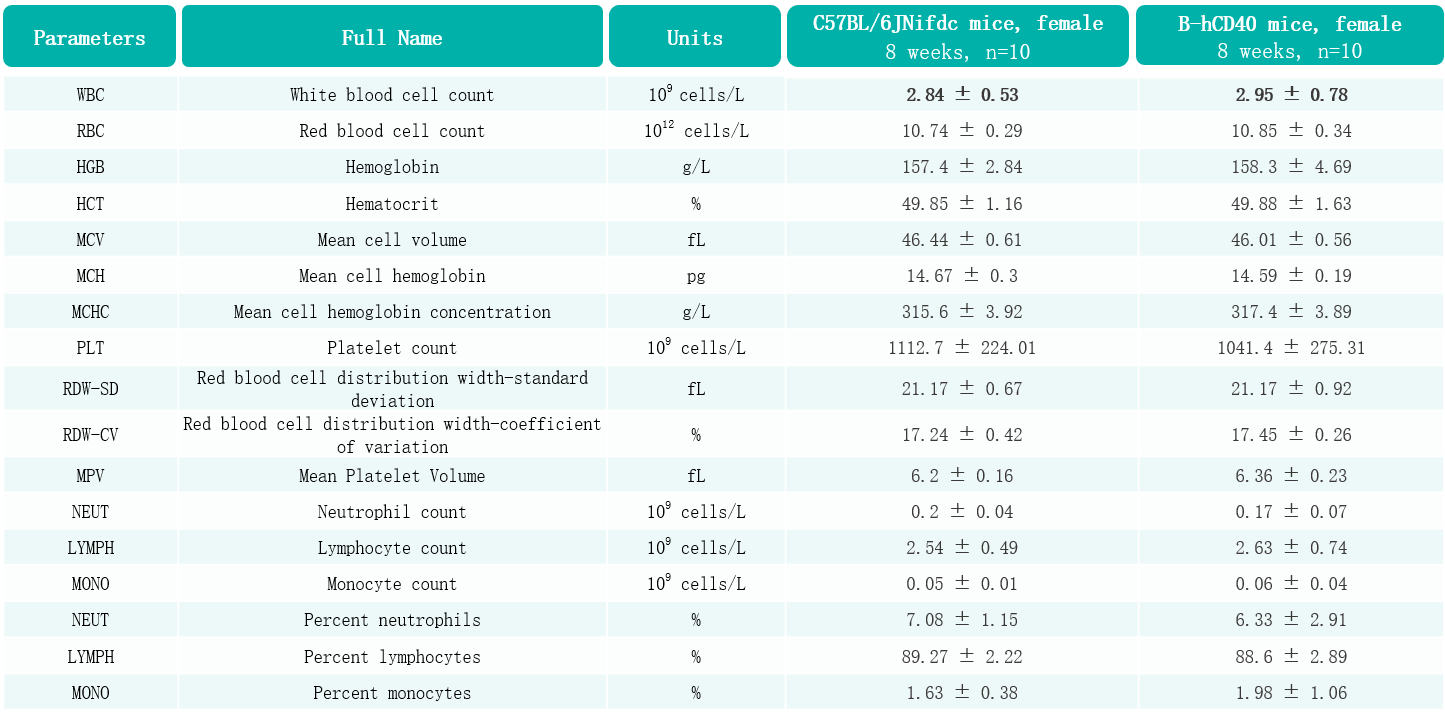
Complete blood count (CBC) of CD40 humanized mice. Values are expressed as mean ± SD.
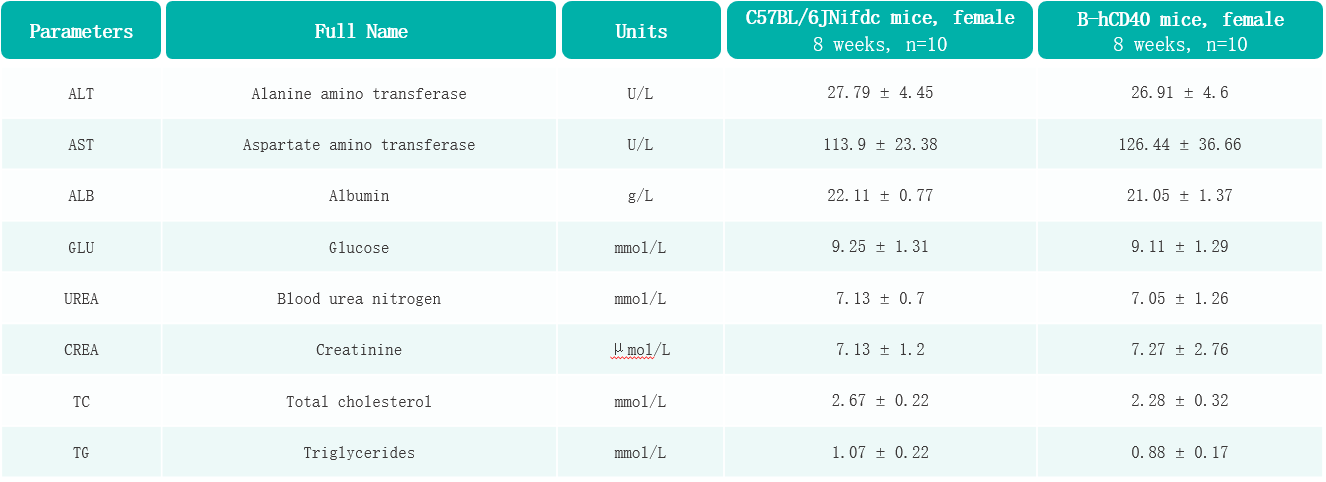
Blood biochemical parameters of CD40 humanized mice. Values are expressed as mean ± SD.

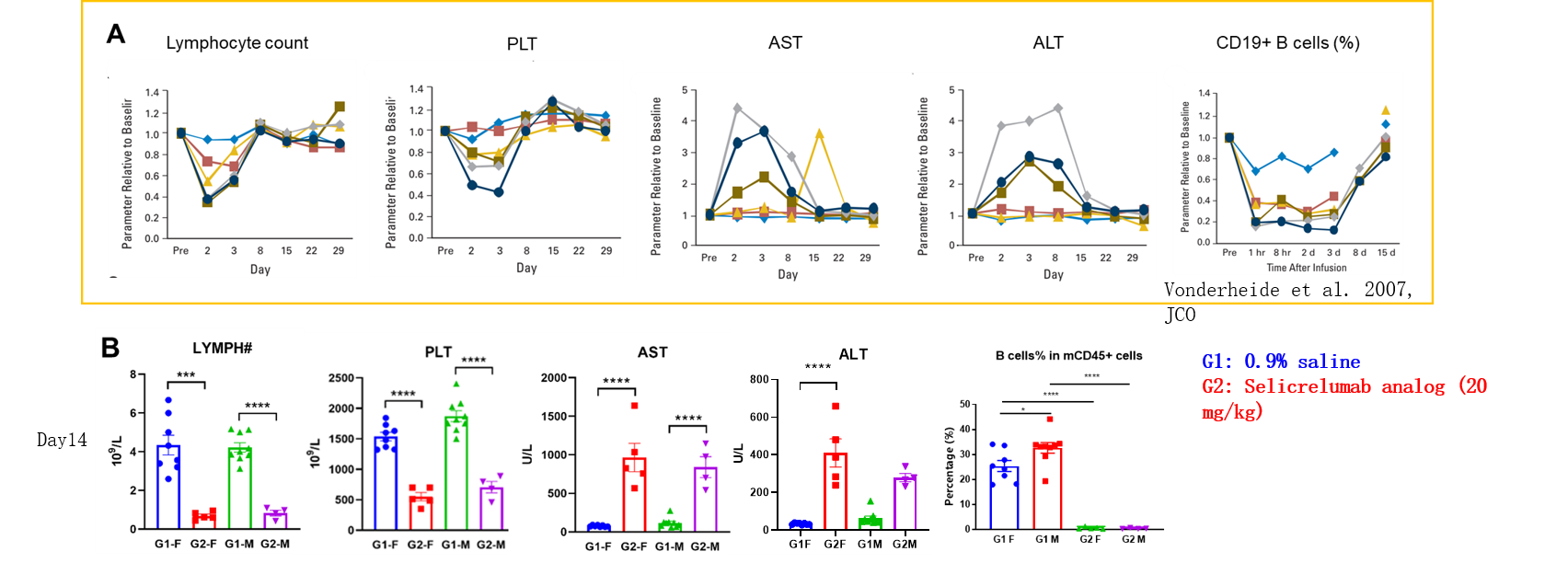
Immune-related adverse event comparison between patients and CD40 humanized mice.(A) After injection of selicrelumab analog, the clinical patients had obvious hematotoxicity, and the number of peripheral lymphocytes and platelets in the blood decreased. The increase of ALT and AST suggested the occurrence of hepatotoxicity. In addition, CD19+ B cells decreased significantly. (B) CD40 humanized mice of different genders were treated with selicrelumab analog, which showed adverse reactions consistent with clinical symptoms.
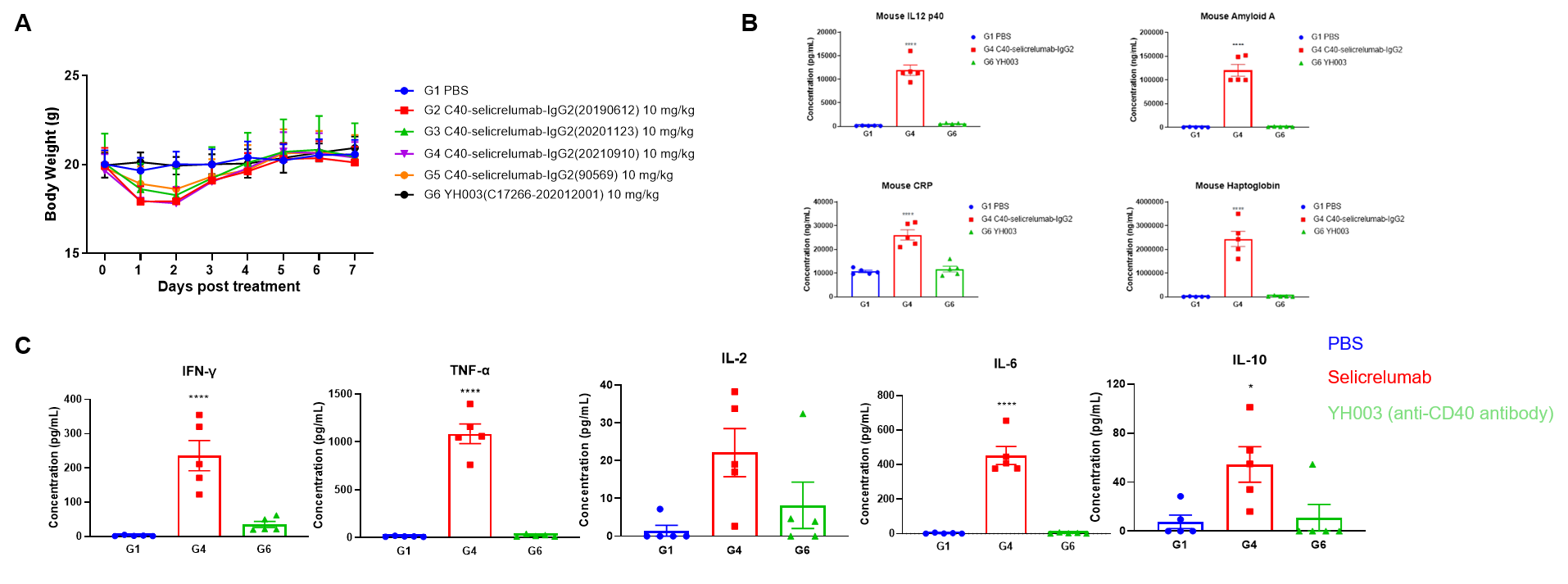
Toxicological profiles of selicrelumab analog (in house) in CD40 humanized mice. (A) The body weight of mice in selicrelumab analog treatment group decreased significantly. (B) Acute phase proteins such as CRP, Amyloid A, Haptoglobin and IL12P40 is increased in response to selicrelumab analog in CD40 humanized mice. (C) The mice treated with selicrelumab had obvious cytokine release syndrome, IFN- γ, TNF- α, IL-2, IL-6, IL-10 increased obviously.

High-dose anti-human CD40 antibody (selicrelumab analog) treatment induces moderate body weight reduction in CD40 humanized mice but not in wild-type C57BL/6 mice. Homozygous CD40 humanized mice and wild-type C57BL/6 mice were treated with vehicle or an in-house selicrelumab analog on the days indicated by red arrows (n = 3). Treatment with the selicrelumab analog at 20 mg/kg caused a significant reduction in body weight in CD40 humanized mice compared with vehicle controls, whereas the same treatment had no effect on body weight in wild-type C57BL/6 mice. Values are expressed as mean ± SEM.
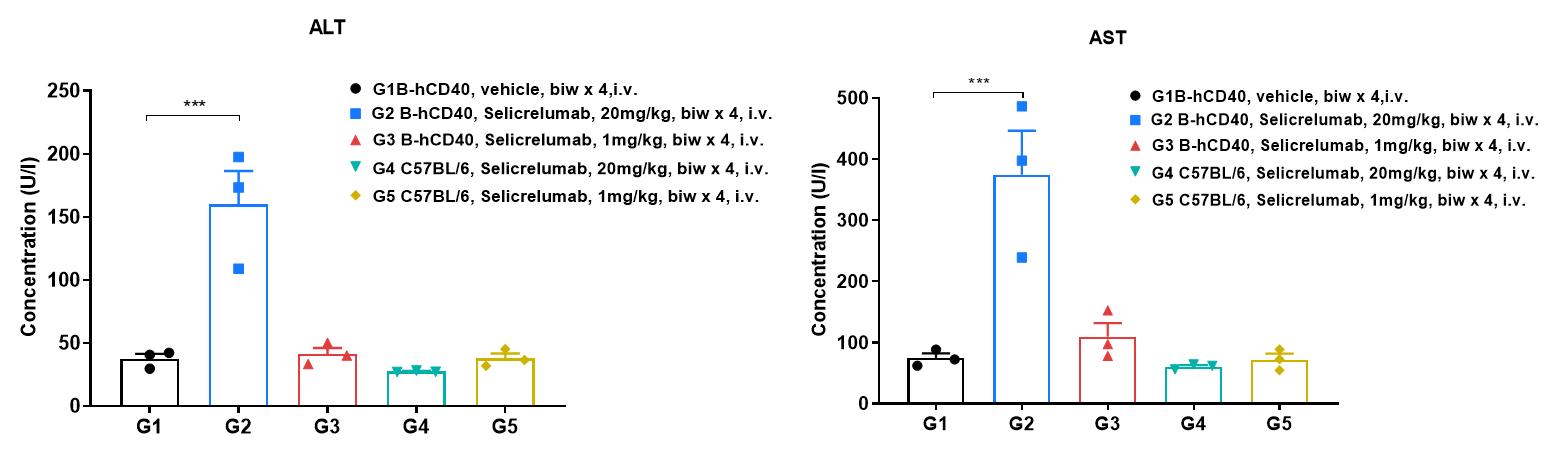
High-dose anti-human CD40 antibody (selicrelumab analog) treatment significantly elevates serum AST and ALT levels in CD40 humanized mice but not in wild-type C57BL/6 mice. Homozygous CD40 humanized mice and wild-type C57BL/6 mice were treated with PBS or an in-house selicrelumab analog according to the indicated dosing schedule (n = 3). Blood biochemical analysis was performed 24 hours after the completion of the efficacy evaluation experiment to assess aspartate aminotransferase (AST) and alanine aminotransferase (ALT) levels. Treatment with the selicrelumab analog at 20 mg/kg significantly increased AST and ALT levels in CD40 humanized mice compared with PBS controls, whereas the same treatment had no significant effect in wild-type C57BL/6 mice. Values are expressed as mean ± SEM.
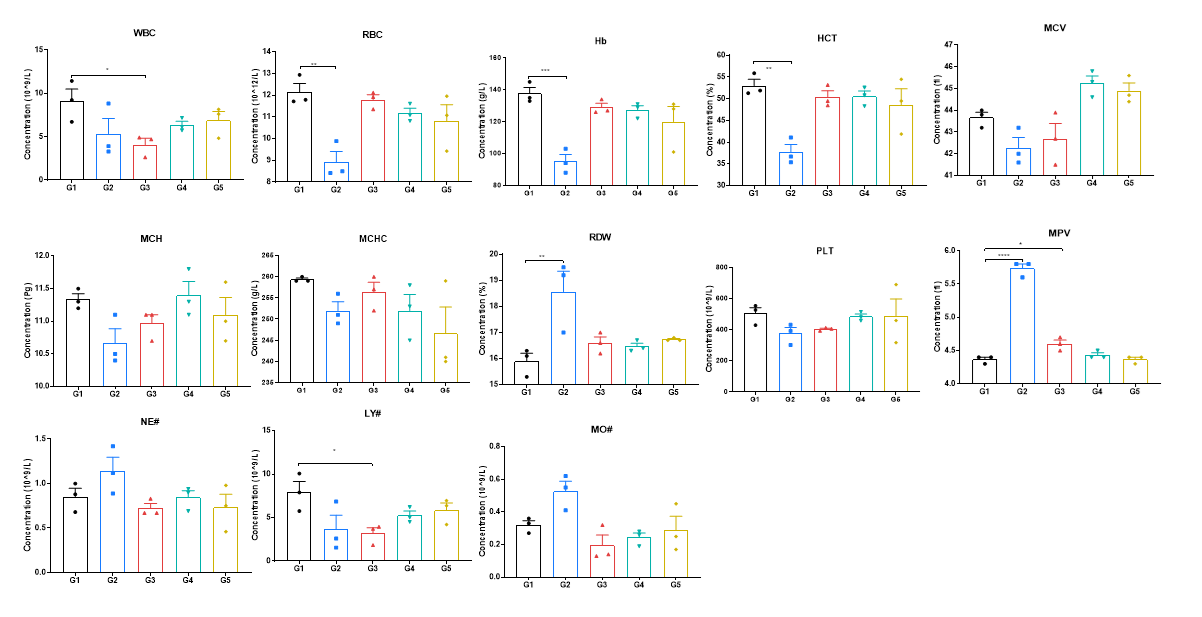
High-dose anti-human CD40 antibody (selicrelumab analog) treatment induces significant changes in complete blood count parameters in CD40 humanized mice but not in wild-type C57BL/6 mice. Homozygous CD40 humanized mice and wild-type C57BL/6 mice were treated with PBS or an in-house selicrelumab analog according to the dosing schedule indicated in the graph (n = 3). Complete blood count (CBC) analysis was performed 24 hours after the final dose on day 11. Treatment with the selicrelumab analog at 20 mg/kg significantly reduced white blood cell count (WBC), red blood cell count (RBC), hemoglobin (Hb), hematocrit (HCT), and absolute lymphocyte count (LY#), while increasing red cell distribution width (RDW) and mean platelet volume (MPV), compared with PBS controls in CD40 humanized mice. In contrast, the same treatment had no significant effect on these parameters in wild-type C57BL/6 mice. Values are expressed as mean ± SEM.
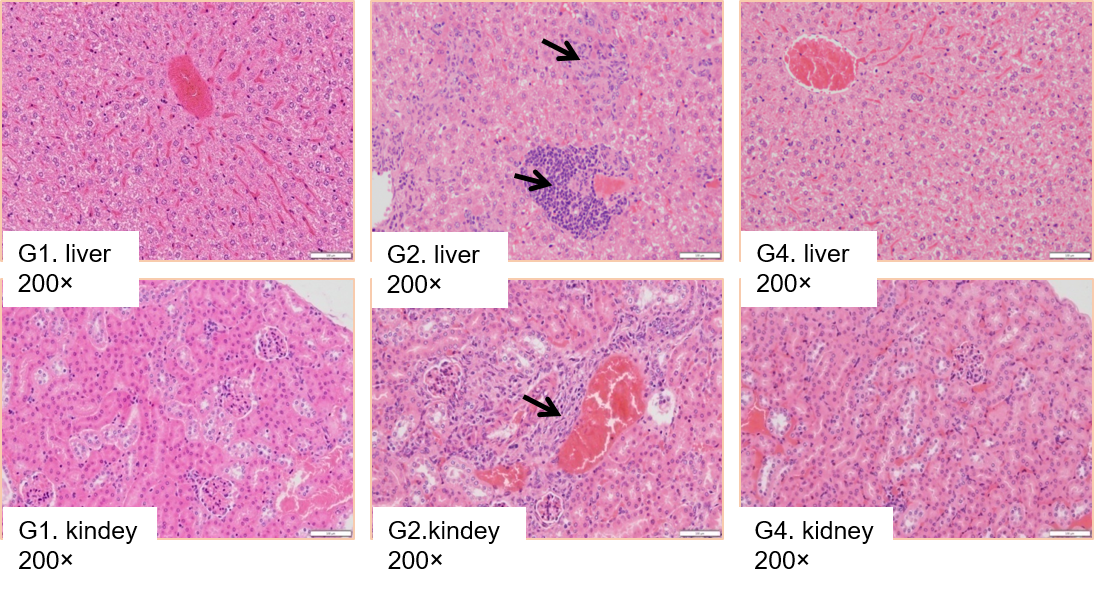
High-dose anti-human CD40 antibody (selicrelumab analog) treatment induces pathological changes in the liver and kidneys of CD40 humanized mice but not in wild-type C57BL/6 mice. Homozygous CD40 humanized mice and wild-type C57BL/6 mice were treated with PBS or a selicrelumab analog (n = 3). Histopathological analysis of liver and kidney tissues was performed on day 14. Treatment with the selicrelumab analog at 20 mg/kg increased lymphocytic infiltration in the liver and kidneys of CD40 humanized mice, as indicated by arrows, whereas the same treatment did not induce comparable pathological changes in wild-type C57BL/6 mice.

In vivo antitumor efficacy of anti-human CD40 antibodies in a subcutaneous MC38 tumor model using CD40 humanized mice. (A) Tumor growth curves. Murine colon cancer MC38 cells (5 × 10⁵) were subcutaneously implanted into heterozygous CD40 humanized mice (female, 4 weeks old, n = 5). When tumor volumes reached approximately 100 mm³, mice were assigned to treatment groups and administered three anti-human CD40 antibodies according to the doses and schedules indicated in the panel. (B) Body weight changes during treatment. As shown in panel A, treatment with anti-human CD40 antibodies effectively inhibited MC38 tumor growth in CD40 humanized mice, demonstrating the utility of this model for evaluating the in vivo antitumor efficacy of anti-human CD40 antibodies. Values are expressed as mean ± SEM.

In vivo antitumor efficacy of an anti-human CD40 antibody in a subcutaneous MC38 tumor model using CD40 humanized mice. (A) Tumor growth curves. Murine colon cancer MC38 cells (5 × 10⁵) were subcutaneously implanted into homozygous CD40 humanized mice (female, 4 weeks old, n = 5). When tumor volumes reached approximately 100 mm³, mice were assigned to treatment groups and administered an anti-human CD40 antibody according to the doses and schedules indicated in panel A. (B) Body weight changes during treatment. As shown in panel A, treatment with the anti-human CD40 antibody effectively inhibited MC38 tumor growth in CD40 humanized mice, demonstrating the utility of this model for evaluating the in vivo antitumor efficacy of anti-human CD40 antibodies. Values are expressed as mean ± SEM.

In vivo antitumor efficacy of an anti-human CD40 antibody (selicrelumab analog) in a subcutaneous MC38 tumor model using CD40 humanized mice. (A) Tumor growth curves. Murine colon cancer MC38 cells (5 × 10⁵) were subcutaneously implanted into homozygous CD40 humanized mice (female, 8–9 weeks old, n = 5). When tumor volumes reached approximately 150 ± 50 mm³, mice were assigned to treatment groups and administered an in-house anti-human CD40 antibody (selicrelumab analog) according to the doses and schedules indicated in panel A. (B) Body weight changes during treatment. As shown in panel A, treatment with the selicrelumab analog effectively inhibited MC38 tumor growth in CD40 humanized mice, demonstrating the utility of this model for evaluating the in vivo antitumor efficacy of anti-human CD40 antibodies. Values are expressed as mean ± SEM.
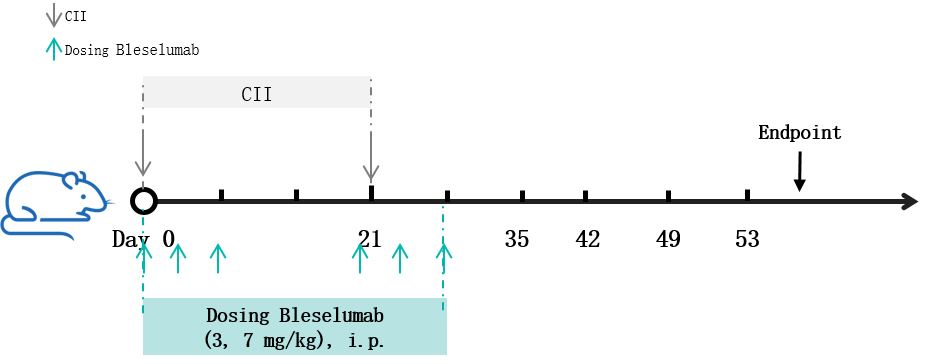
Experimental schedule for collagen-induced arthritis (CIA) induction and in vivo efficacy evaluation of an anti-human CD40 antibody (bleselumab analog) in CD40 humanized mice. CD40 humanized mice were subcutaneously injected with type II collagen (CII) emulsion on days 0 and 21 to induce CIA. An in-house anti-human CD40 antibody (bleselumab analog) was administered by intraperitoneal injection (n = 10) according to the indicated experimental schedule. CII, type II collagen.

In vivo efficacy of an anti-human CD40 antibody (bleselumab analog) in a collagen-induced arthritis (CIA) model using CD40 humanized mice. (A) Clinical arthritis scores. (B) Disease incidence. (C) Body weight changes during the experiment. The CIA model groups (G1 and G3) exhibited significantly increased clinical arthritis scores and more pronounced body weight fluctuations compared with the non-model control group (G2), confirming successful CIA induction. Treatment with an in-house anti-human CD40 antibody (bleselumab analog) significantly reduced the mean clinical arthritis scores in the treatment groups (G4 and G5) compared with the CIA model controls. The treatment groups also exhibited a significantly lower maximum disease incidence, demonstrating the therapeutic efficacy of the bleselumab analog in controlling CIA progression in CD40 humanized mice.
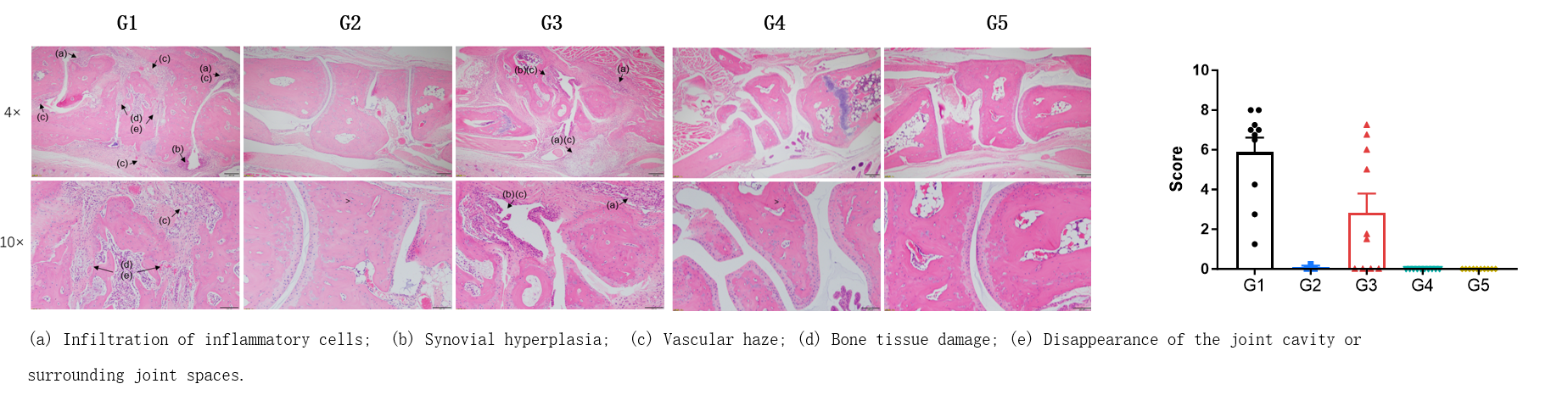
The pathological analysis of the efficacy of the anti-human CD40 antibody bleselumab analog (in-house) in CIA model.(A) Pathological sections stained with H&E; (B) Pathological scores. The results showed that in the non-model group (G2), there were no significant abnormal changes observed, with a smooth cartilage surface in the ankle joint and a clearly defined joint cavity. In the modeling group (G1&G3), the animals exhibited the infiltration of inflammatory cells (a), synovial hyperplasia (d) and vascular haze (e). Compared to the model group, the bleselumab treatment groups (G4&G5) significantly alleviated the disease symptoms in the mice. This suggests that bleselumab analog has a therapeutic effect on arthritis in mice.


Establishment of SLE mouse model based on CD40 humanized mice.Content of mouse Anti-dsDNA IgG in serum was decreased after treatment with anti-CD40 antibody in pristane-induced SLE CD40 humanized mice.