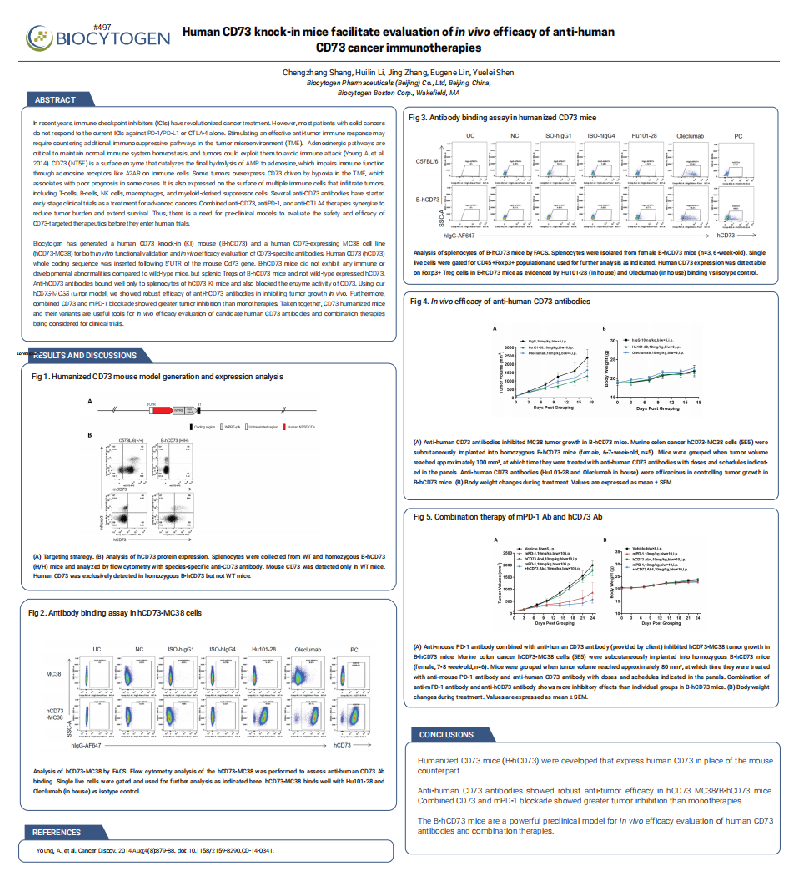
In recent years, immune checkpoint inhibitors (ICIs) have revolutionized cancer treatment. However, most patients with solid cancers
do not respond to the current ICIs against PD-1/PD-L1 or CTLA-4 alone. Stimulating an effective anti-tumor immune response may
require countering additional immunosuppressive pathways in the tumor microenvironment (TME). Adenosinergic pathways are
critical to maintain normal immune system homeostasis, and tumors could exploit them to avoid immune attack (Young A, et al.
2014). CD73 (NT5E) is a surface enzyme that catalyzes the final hydrolysis of AMP to adenosine, which impairs immune function
through adenosine receptors like A2AR on immune cells. Some tumors overexpress CD73 driven by hypoxia in the TME, which
associates with poor prognosis in some cases.