


Key Advantages
Validation
Human CD8 expression
Tissue distribution analysis
Immune-cell composition
Functional immunogenicity
Application
In vivo testing of human CD8-targeting therapeutics
Immuno-oncology research
Vaccine and antigen-specific immunity
Immune-profiling and biomarker development

CD8A
CD8B

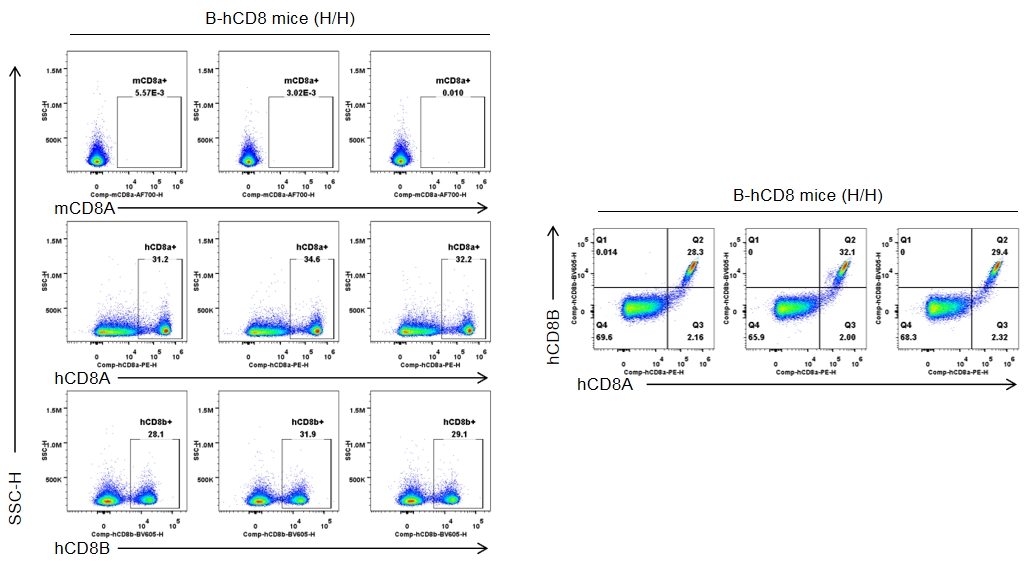
Strain specific CD8 expression analysis in homozygous CD8 humanized mice by flow cytometry. Splenocytes were collected from wild-type C57BL/6JNifdc mice (+/+) and homozygous CD8 humanized mice (H/H), and analyzed by flow cytometry with species-specific anti-CD8 antibody (anti-human CD8A, Biolegend, 300908; anti-mouse CD8A, Biolegend, 100730; anti-human CD8B, BD, 742392).
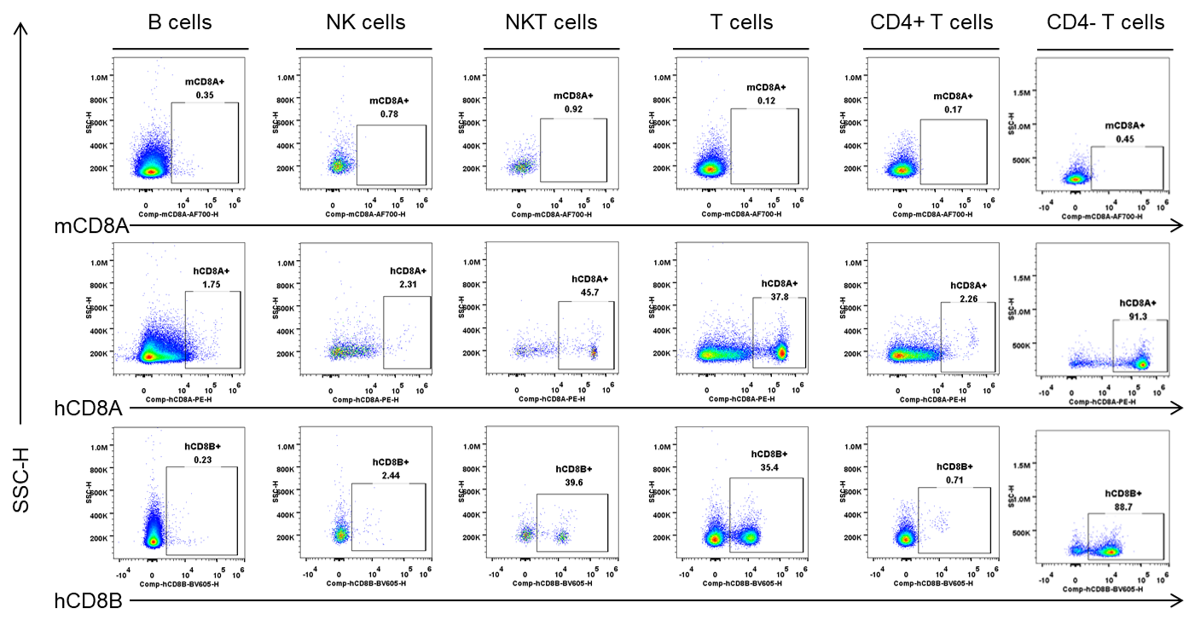
Strain specific CD8 expression analysis in homozygous CD8 humanized mice by flow cytometry. Splenocytes were collected from homozygous CD8 humanized mice (H/H, female, n=3, 9-week-old), and analyzed by flow cytometry with species-specific anti-CD8 antibody (anti-human CD8A, Biolegend, 300908; anti-mouse CD8A, Biolegend, 100730; anti-human CD8B, BD, 742392).
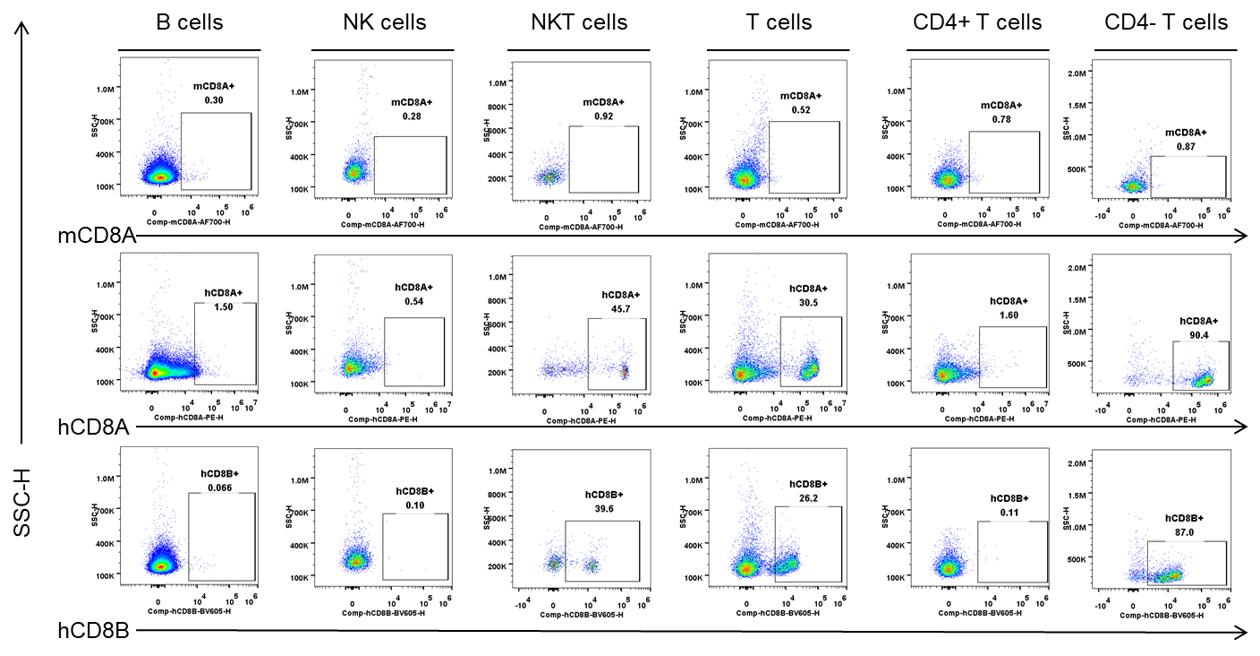
Strain specific CD8 expression analysis in homozygous CD8 humanized mice by flow cytometry. Blood were collected from homozygous CD8 humanized mice (H/H, female, n=3, 9-week-old), and analyzed by flow cytometry with species-specific anti-CD8 antibody (anti-human CD8A, Biolegend, 300908; anti-mouse CD8A, Biolegend, 100730; anti-human CD8B, BD, 742392).
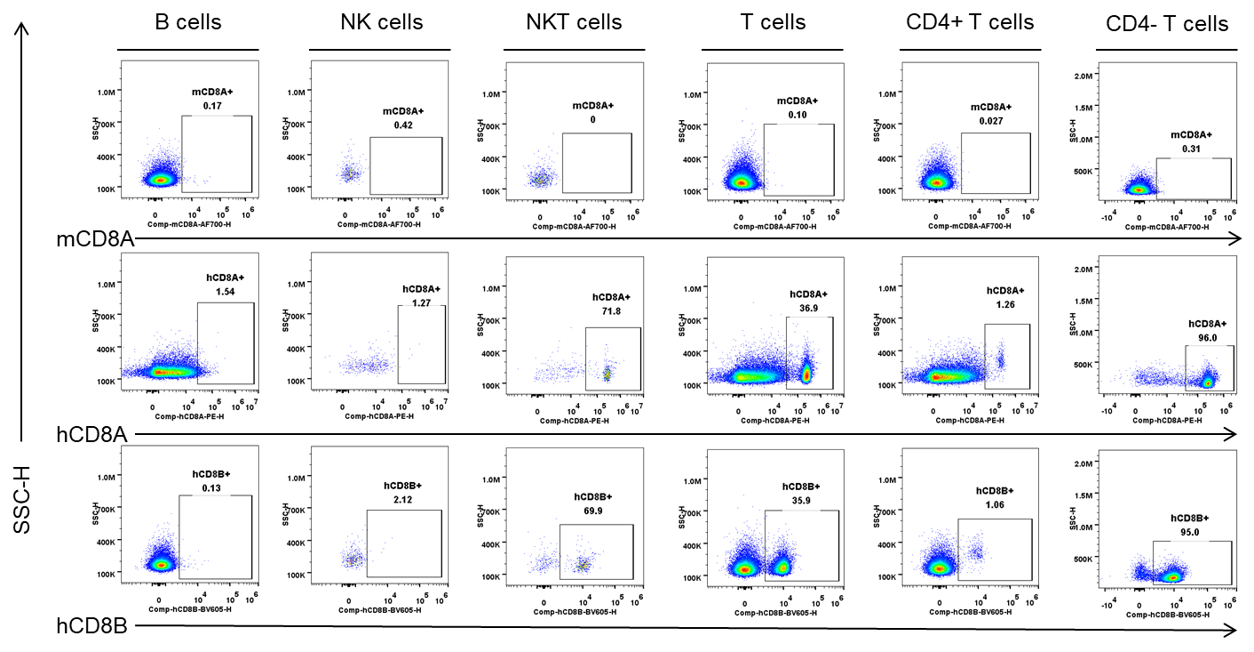
Strain specific CD8 expression analysis in homozygous CD8 humanized mice by flow cytometry. Lymph nodes were collected from homozygous CD8 humanized mice (H/H, female, n=3, 9-week-old), and analyzed by flow cytometry with species-specific anti-CD8 antibody (anti-human CD8A, Biolegend, 300908; anti-mouse CD8A, Biolegend, 100730; anti-human CD8B, BD, 742392).
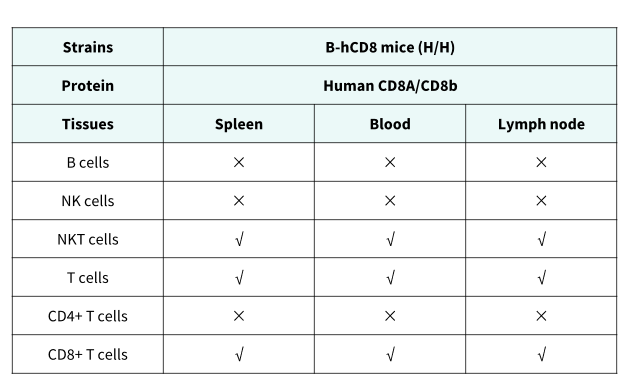
√: Expression of mouse CD8A or human CD8A/CD8B protein can be detected;
×: Expression of mouse CD8A or human CD8A/CD8B protein can not be detected.
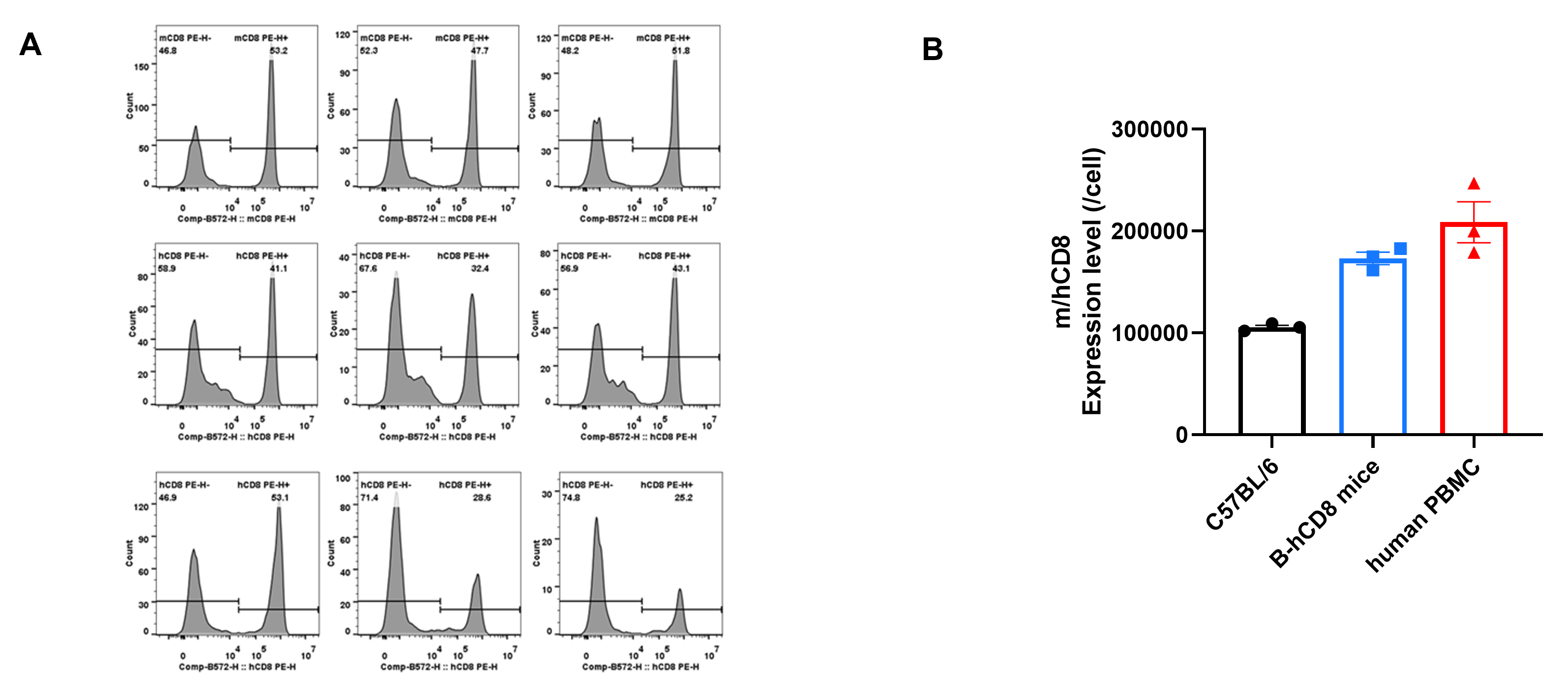
Strain specific CD8 quantitative expression analysis in homozygous CD8 humanized mice by flow cytometry. The blood which collected from wild-type C57BL/6 mice (+/+), homozygous CD8 humanized mice (H/H, female, n=3, 8-week-old) and human PBMC were analyzed by Quantum™ Simply Cellular® (Bangs Labs, 815 & 817) with species-specific anti-CD8 antibody (anti-human CD8A, Biolegend, 300908; anti-mouse CD8A, Biolegend, 100708).
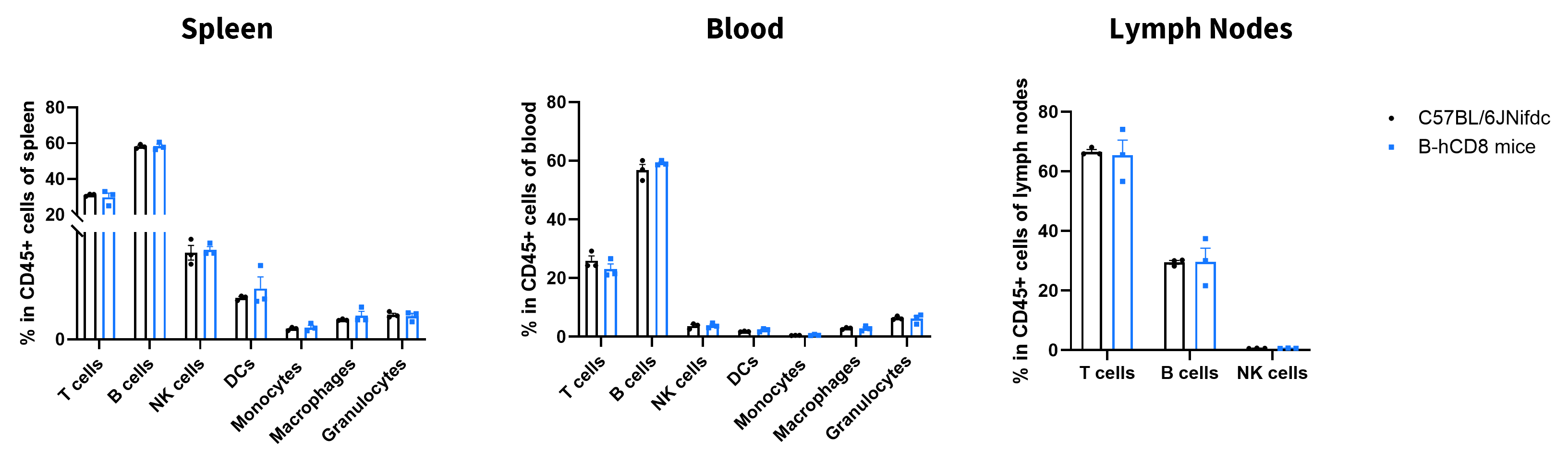
Analysis of leukocyte subpopulations by flow cytometry in immune organs and blood of CD8 humanized mice. Splenocytes, peripheral blood, and lymph nodes were isolated from female C57BL/6JNifdc and CD8 humanized mice (female, 9-week-old, n=3). Single live cells were gated on the CD45⁺ population and analyzed by flow cytometry as indicated. Values are expressed as mean ± SEM.

Analysis of T-cell subpopulations by flow cytometry in immune organs and blood of CD8 humanized mice. Splenocytes, peripheral blood, and lymph nodes were isolated from female C57BL/6JNifdc and CD8 humanized mice. (female, 9-week-old, n = 3). Single live cells were gated on the T-cell population and analyzed by flow cytometry as indicated. Values are expressed as mean ± SEM.
Detection of ovalbumin (OVA)-induced immune responses in CD8 humanized mice by IFN-γ ELISpot assay. (A) Scheme of OVA immunization and testing. Female wild-type C57BL/6JNifdc mice and CD8 humanized mice at the age of 9–10 weeks were immunized with intraperitoneal injection of 0.5 mg of OVA protein (Sigma, A5503-25MG) and 50 μg poly (I:C) (InvivoGen, tlrl-pic). Mice were immunized with OVA two times at 1-week interval. One week after the last immunization, mice were sacrificed. The splenocytes were extracted, stimulated with OVA peptide257–264, or no peptide as negative control (NC), or Cell Activation Cocktail (without Brefeldin A), (Biolegend, 42330) as positive control, and then measured for IFN-γ secretion. No significant difference in body weight among groups (Data was not shown). (B) Representative results showing stimulation of splenocytes harvested from immunized mice with negative control, or OVA peptide257–264, or positive control in duplicates. (C) Summary of results. 1, CN: Cell number. 2, COP: Concentration of the peptide. 3, NC: negative control. 4, PC: positive control.
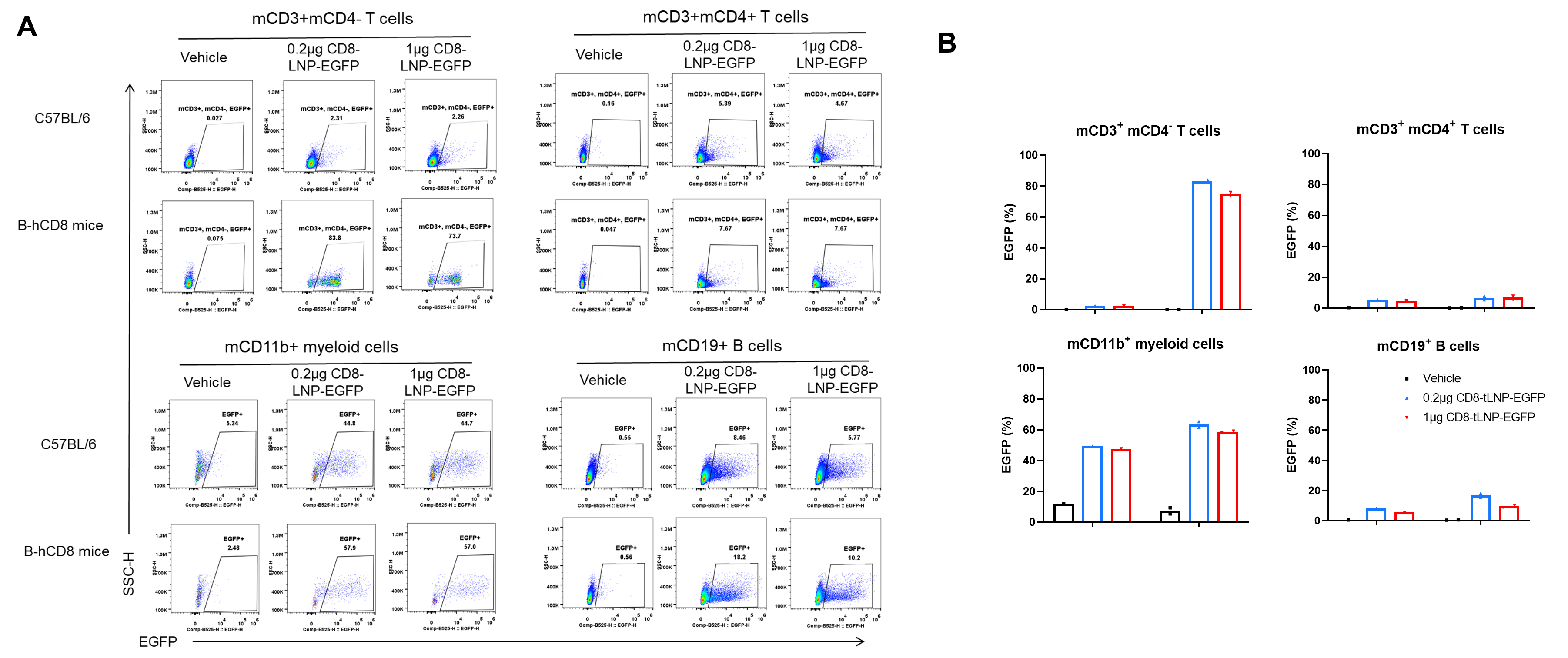
The efficient and specific delivery analysis of CD8-tLNP to CD8+ T cells in CD8 humanized mice. EGFP expression in mCD3+ mCD4- T cells, mCD3+ mCD4+ T cells, mCD11b+ myeloid cells and mCD19+ B cells. Murine splenocytes were isolated from the C57BL/6 mice and B-hCD8 mice (n=2) , stimulated with CD8‑tLNP‑EGFP for 24 hours in vitro. (A) Flow Cytometry. (B) Statistical Graph.
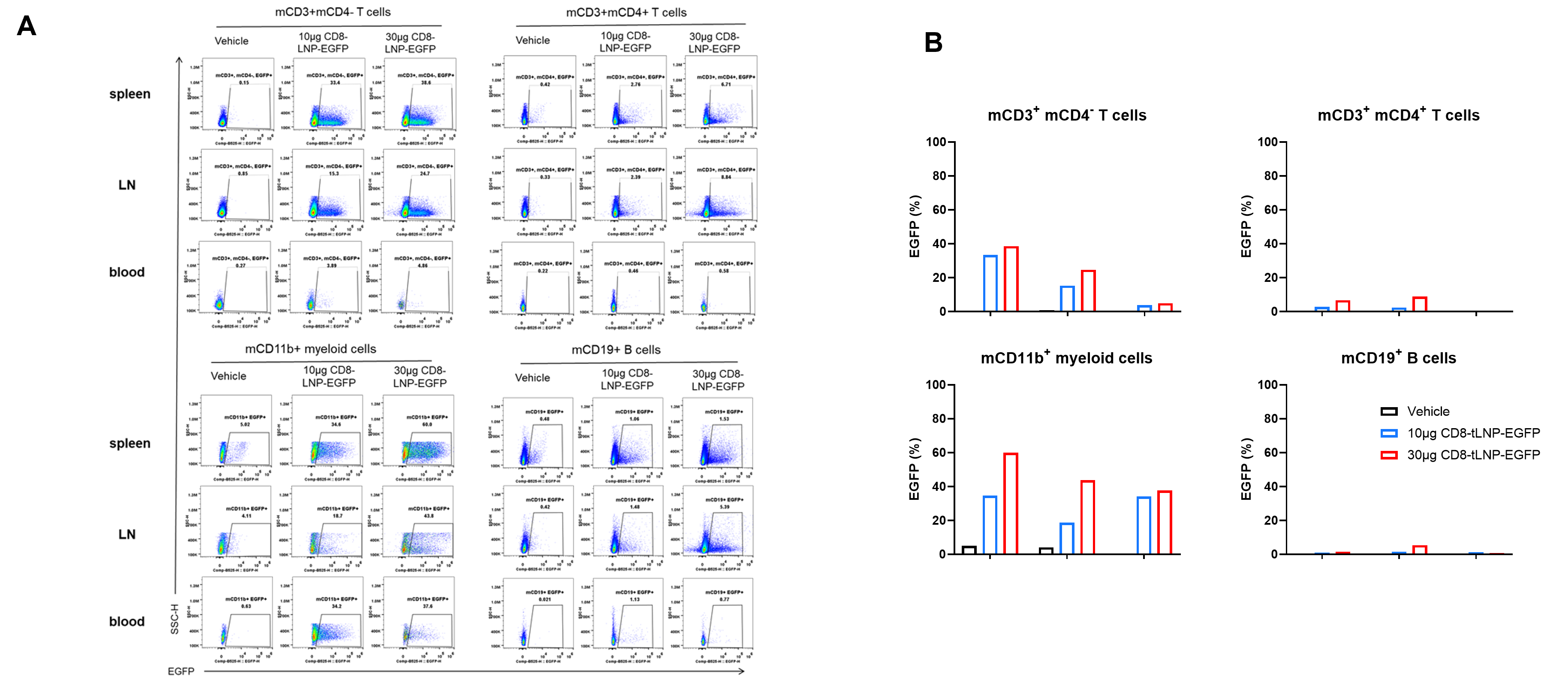
The efficient and specific delivery analysis of CD8-tLNP to CD8+ T cells in CD8 humanized mice. EGFP expression in mCD3+ mCD4- T cells, mCD3+ mCD4+ T cells, mCD11b+ myeloid cells and mCD19+ B cells 24 hours after intravenous dosing of CD8-tLNP-EGFP in CD8 humanized mice (n=1). (A) Flow Cytometry. (B) Statistical Graph.
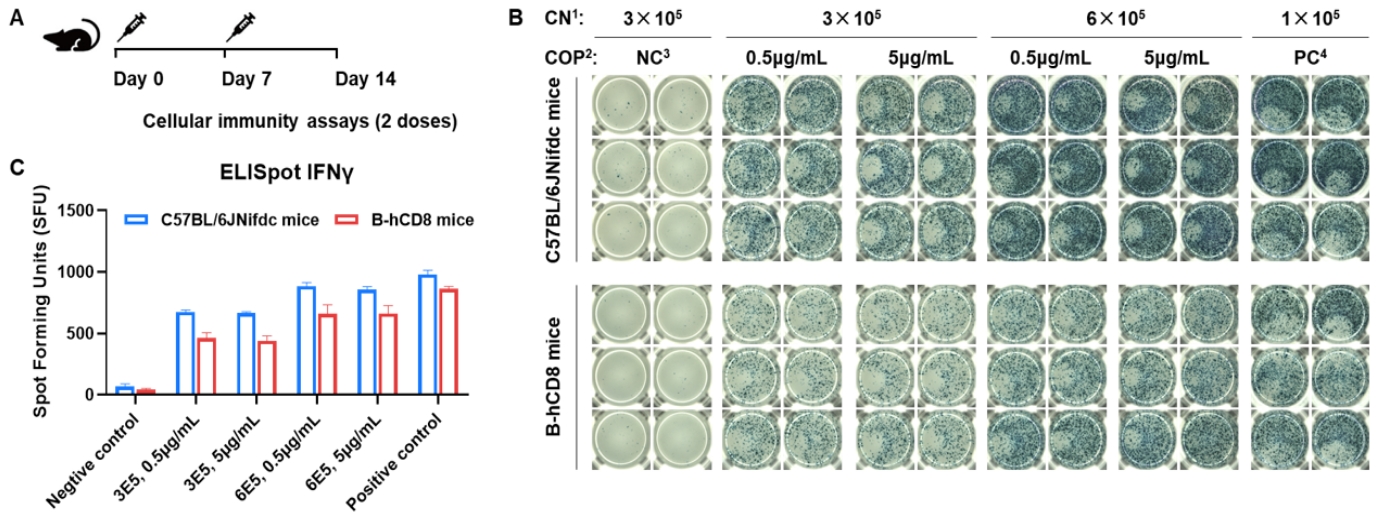
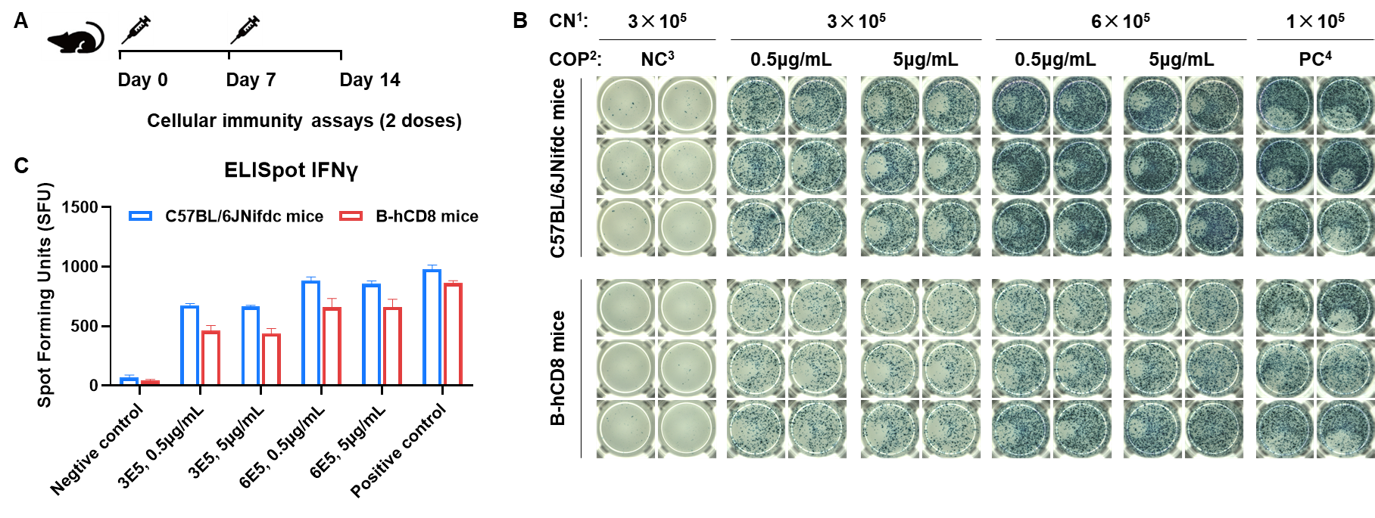
Detection of OVA-induced immune responses in CD8 humanized mice by IFN-γ ELISpot assay. (A) Scheme of OVA immunization and testing. Female wild-type C57BL/6JNifdc mice and CD8 humanized mice at 9–10 weeks of age were immunized by intraperitoneal injection of 0.5 mg OVA protein (Sigma, A5503-25MG) and 50 μg poly(I:C) (InvivoGen, tlrl-pic). Mice were immunized twice at a 1-week interval. One week after the final immunization, mice were sacrificed. Splenocytes were extracted and stimulated with OVA peptide 257–264, no peptide as a negative control (NC), or Cell Activation Cocktail (without Brefeldin A; Biolegend, 42330) as a positive control, followed by measurement of IFN-γ secretion. No significant difference in body weight was observed among groups (data not shown). (B) Representative results show splenocyte stimulation with negative control, OVA peptide 257–264, or positive control in duplicates. (C) Summary of results. These data indicate that CD8 humanized mice have normal T-cell immunogenic function. 1, CN: Cell number. 2, COP: Concentration of the peptide. 3, NC: Negative control. 4, PC: Positive control.
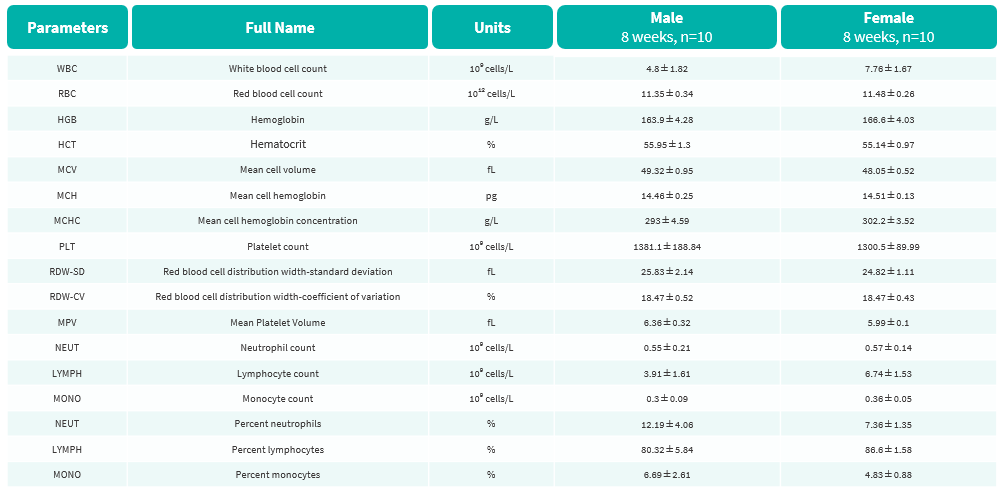
Complete blood count (CBC) of CD8 humanized mice. Values are expressed as mean ± SD.
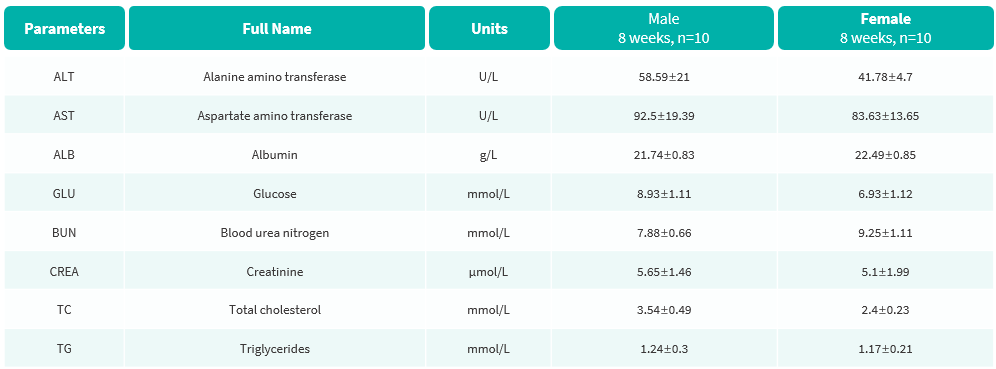
Blood biochemical parameters of CD8 humanized mice are shown. Values are expressed as mean ± SD.
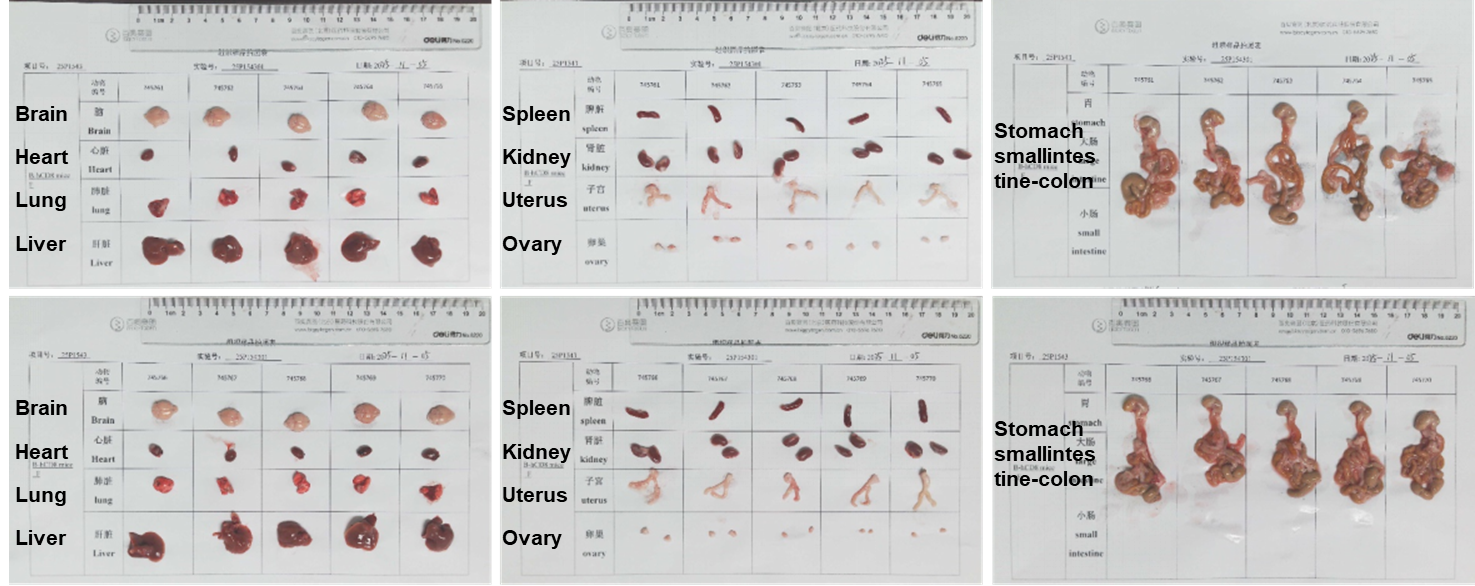
Organs of female CD8 humanized mice (12-week-old, n = 10).
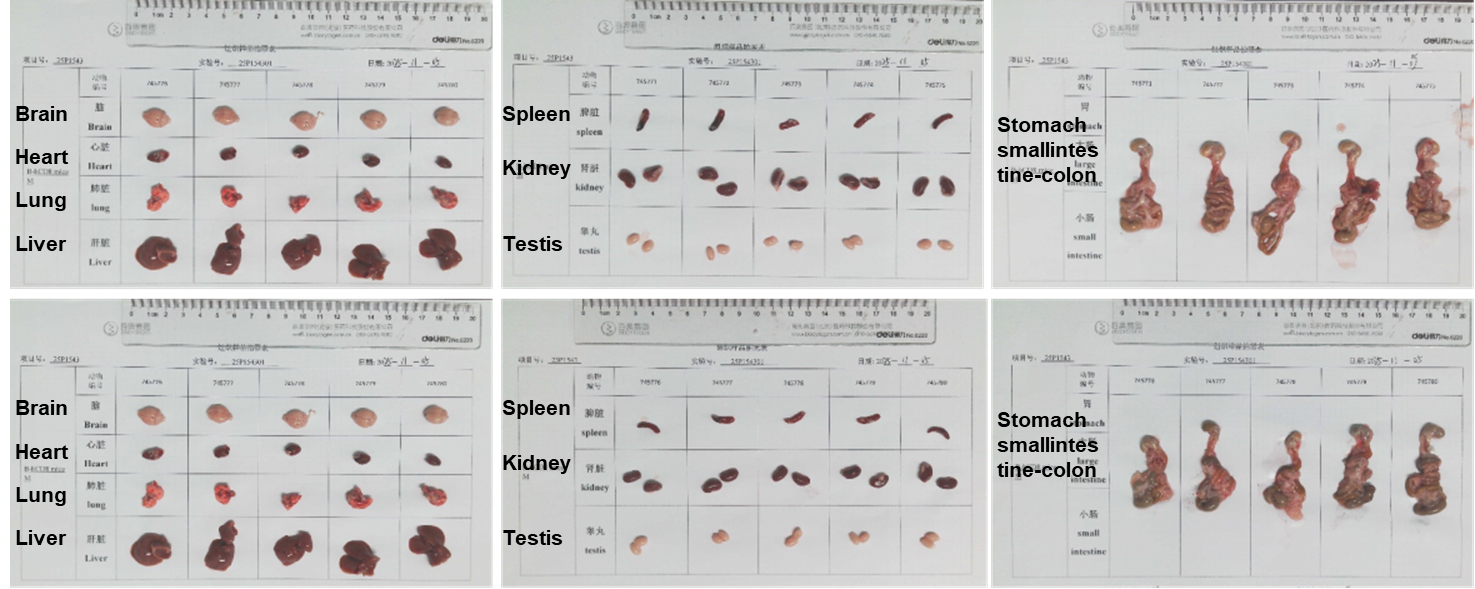
Organs of male CD8 humanized mice (12-week-old, n = 10).
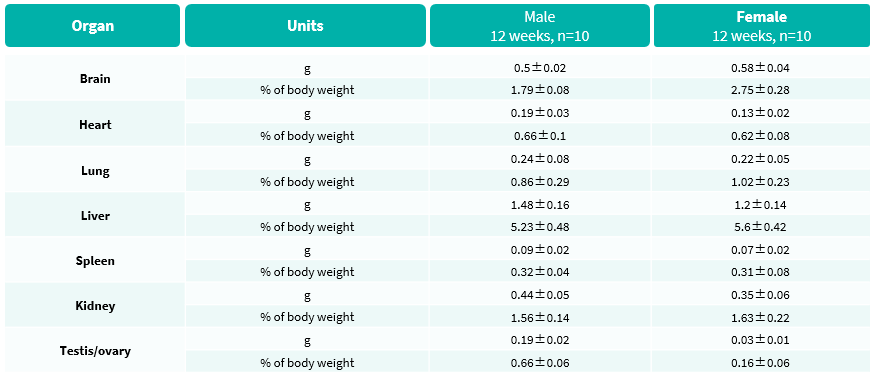
Average weights of major organs in CD8 humanized mice.
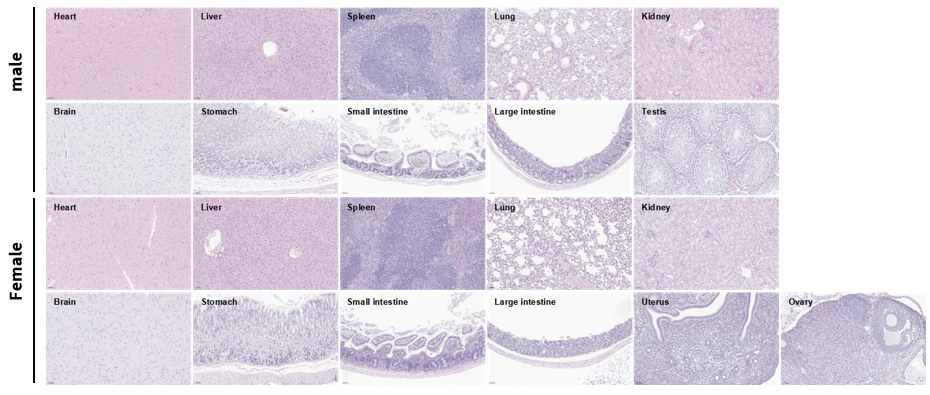
Histopathological analysis of organs in CD8 humanized mice. Major organs from CD8 humanized mice were collected at 8 weeks of age and analyzed by H&E staining (male, n = 10; female, n = 10).

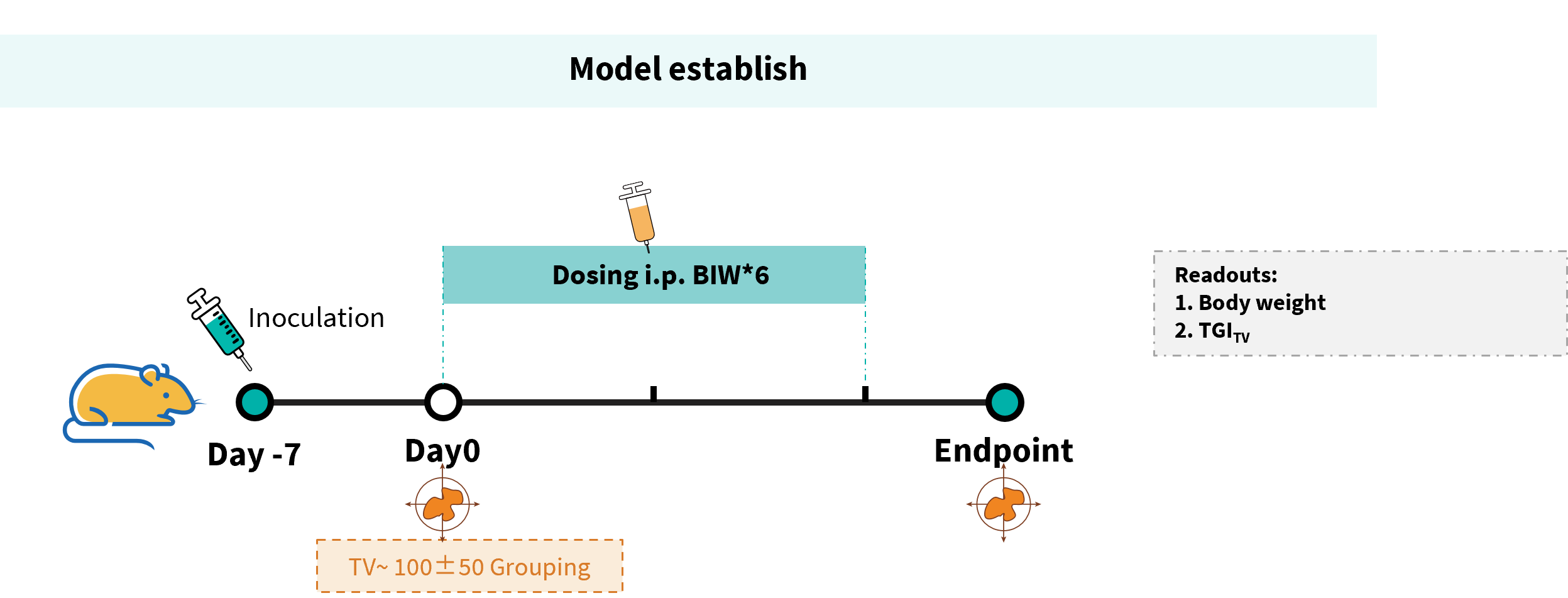
Comparison of anti-PD-1 antibody efficacy between C57BL/6 mice and CD8 humanized mice in an MC38 tumor model. 5×10⁵ MC38 cells were subcutaneously implanted into both C57BL/6 mice and CD8 humanized mice(female, 7–week-old, n=6). Mice were grouped when tumor volume reached approximately 100 mm³, at which time they were injected intraperitoneally with anti-mouse PD-1 antibodies.
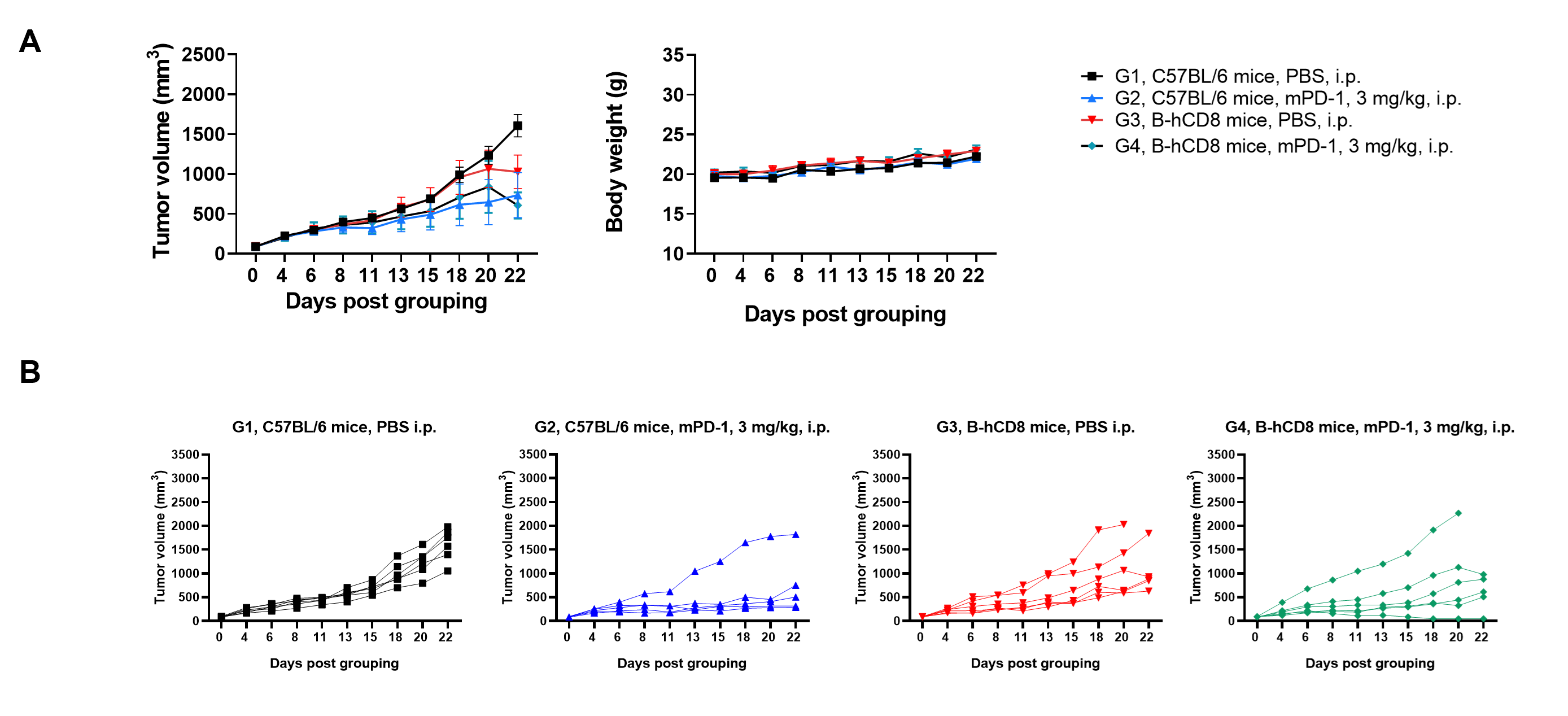
Efficacy of anti-mouse PD-1 antibodies in CD8 humanized mice. (A) Tumor growth curves and body weight changes during treatment. (B) Tumor growth curves from individual mice. Values are expressed as mean ± SEM.
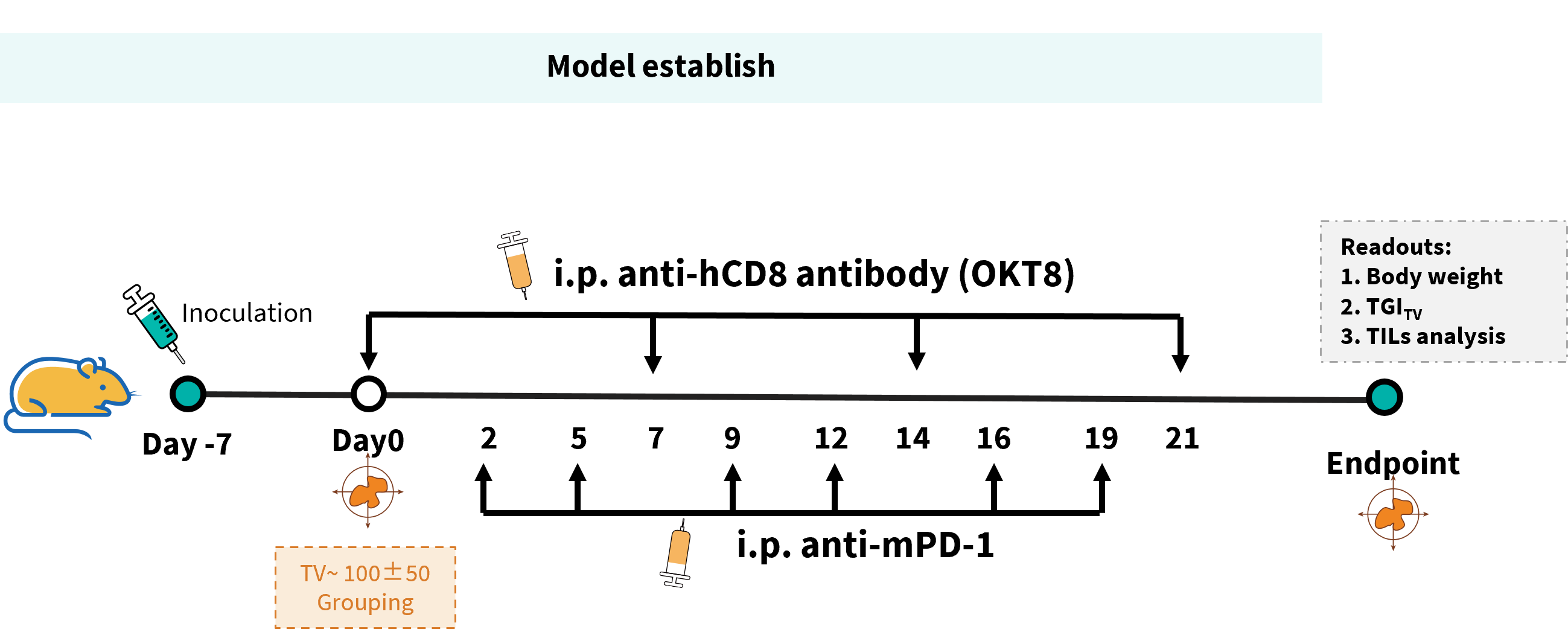
Evaluating the CD8+T cell-dependent activity of anti-PD-1 therapy in a MC38 tumor model. 5×10⁵ MC38 cells were subcutaneously implanted into CD8 humanized mice (female, 7–week-old, n=6). Mice were grouped when tumor volume reached approximately 100 mm³, at which time they were injected intraperitoneally with the CD8+ T cell-depleting antibody OKT8 (QW). The mice were treated with anti-mouse PD-1 antibody (BIW) from day 2.
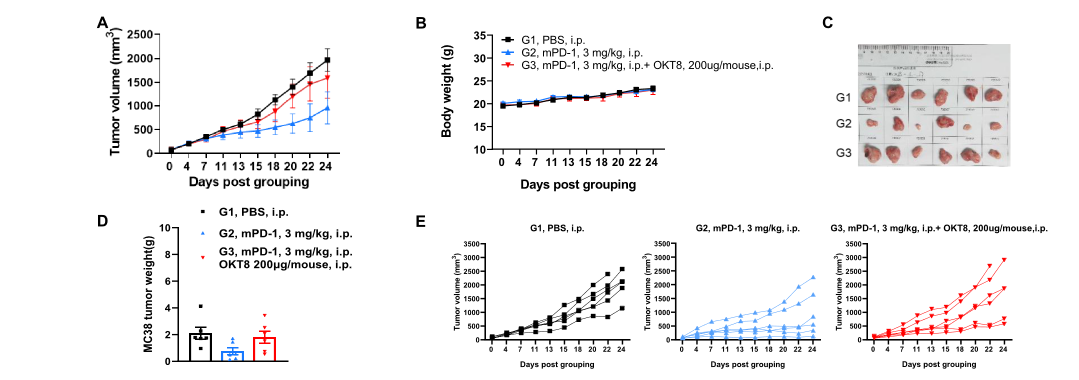
The impact of CD8 + T cell depletion on the efficacy of anti-mouse PD-1 antibody . (A) Tumor growth curves. (B) Body weight changes during treatment. (C-D) MC38 tumor weight measurement after the mice were sacrificed. (E) MC38 tumor cells growth of individual mice. Values are expressed as mean ± SEM.
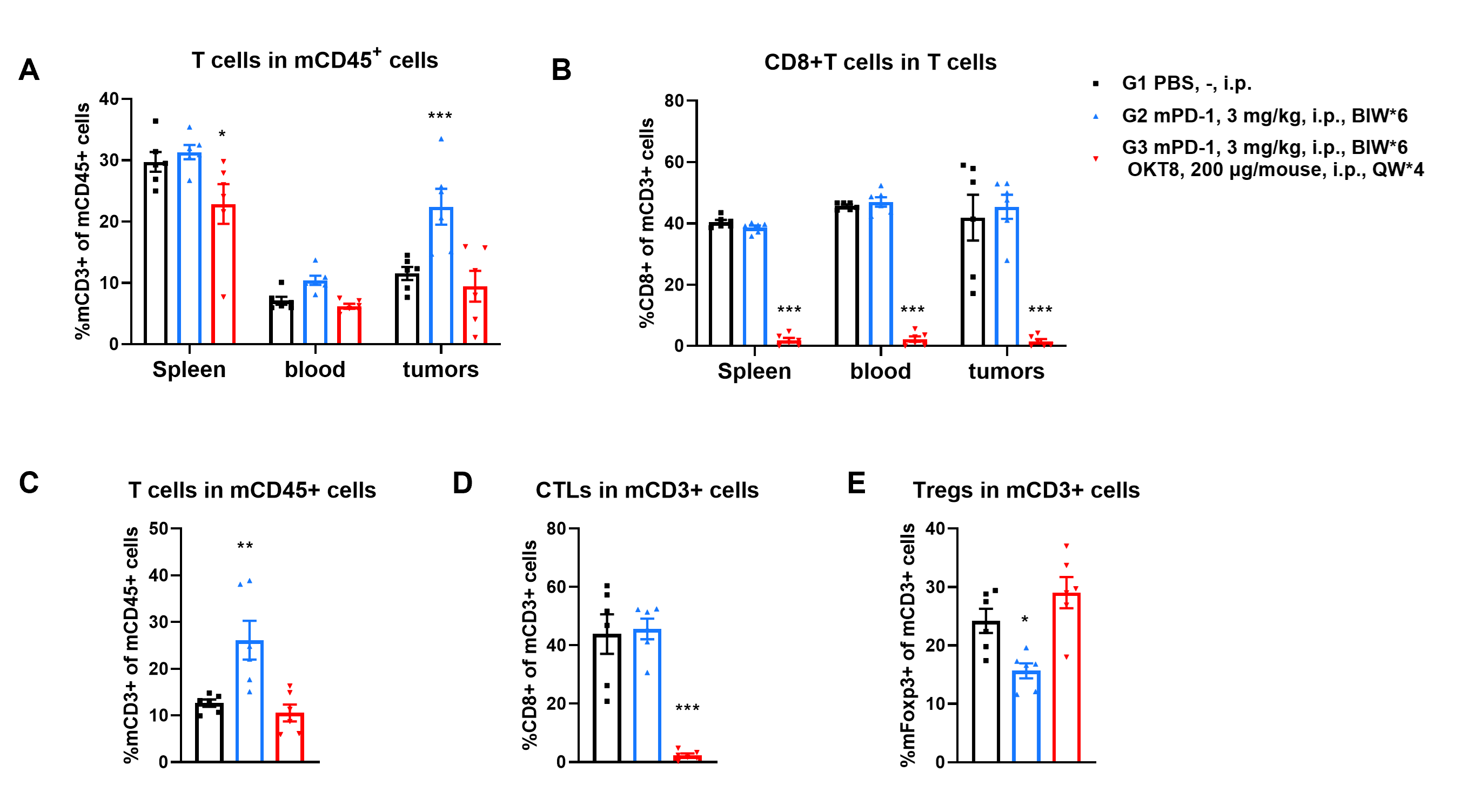
The impact of CD8 + T cell depletion on the efficacy of anti-mouse PD-1 antibody. (A-B) Demonstration of CD8+ T cell depletion by flow cytometry. Depletion was performed by OKT8 administration once per week (200 μg/mouse) starting 2 days prior to start of treatments. There was a significant decreasing of CD3+ T cells in the spleen, whereas no significance was observed in the blood and tumors for the combination of anti-mPD-1 antibody and OKT8. (A). Demonstration of near complete CD8+ T cell depletion in spleen, blood and tumor on day 24 from last OKT8 administration in combination of anti-mPD-1 antibody and OKT8 (B). (C-E) Tumors from MC38 tumor-bearing mice that were treatmented with the PBS, anti-mPD-1, and combination of anti-mPD-1 antibody and OKT8 were analyzed on day 24. Analysis of CD3+ T, CD8+ T and Tregs in the tumors determined by the flow cytometric assay. For tumor-infiltrated T (C) and Tregs (E), the percentages (in CD45+ cells) were not significantly changed, tumor-infiltrated CD8+ T cells was decreased significantly in combination of anti-mPD-1 antibody and OKT8 (D).

Q1: What are humanized CD8 mice used for?
B-hCD8 mice express human CD8A/CD8B on cytotoxic T cells, making them suitable for human CD8-targeting antibody validation, preclinical immuno-oncology studies, and T-cell activation research.
Q2: Do B-hCD8 mice maintain normal immune cell composition?
Yes. Spleen, blood, and lymph-node data (n=3, female, 9 weeks) show T cells, B cells, NK cells, dendritic cells, granulocytes and monocytes remain comparable to WT controls.
Q3: Can B-hCD8 mice be used for in vivo antibody efficacy testing?
Absolutely. The physiologic human CD8 expression enables in vivo binding, depletion, activation, and mechanistic studies for human-specific CD8 antibodies.
Q4: Do B-hCD8 mice mount normal T-cell responses?
Yes. OVA immunization experiments confirm intact antigen-specific T-cell immunity.
Q5: Are these mice on a widely used genetic background?
Yes. They are on the C57BL/6 background, compatible with tumor models, IO studies, adoptive transfer, vaccine studies, and combination-therapy designs.